

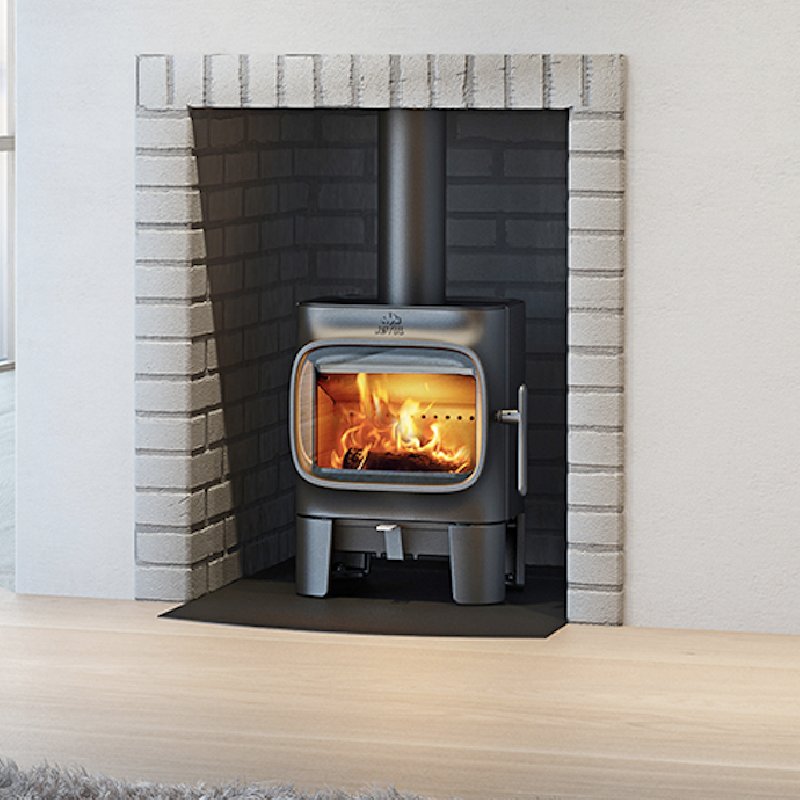
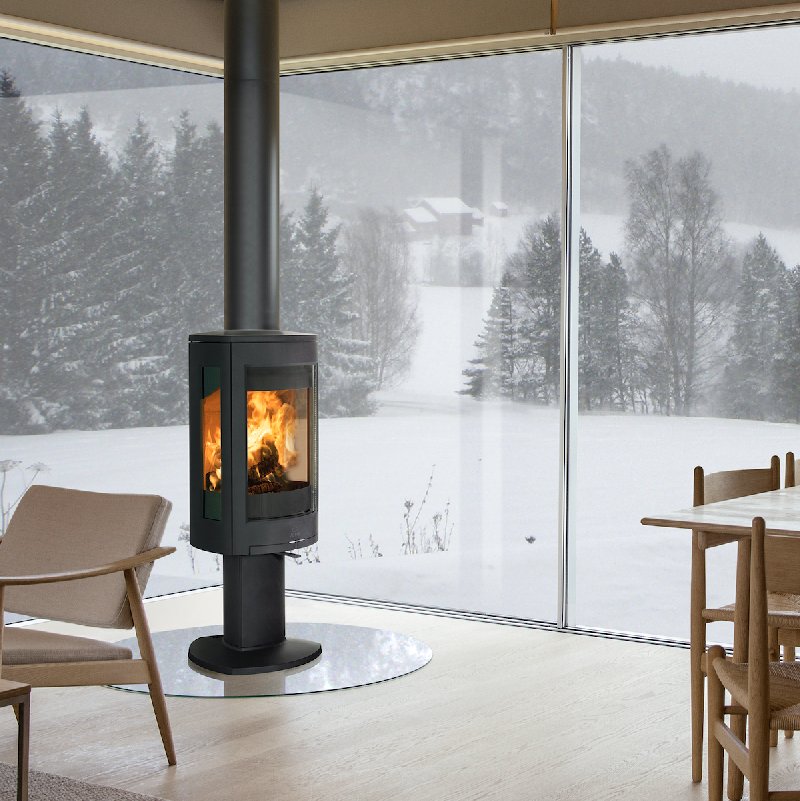
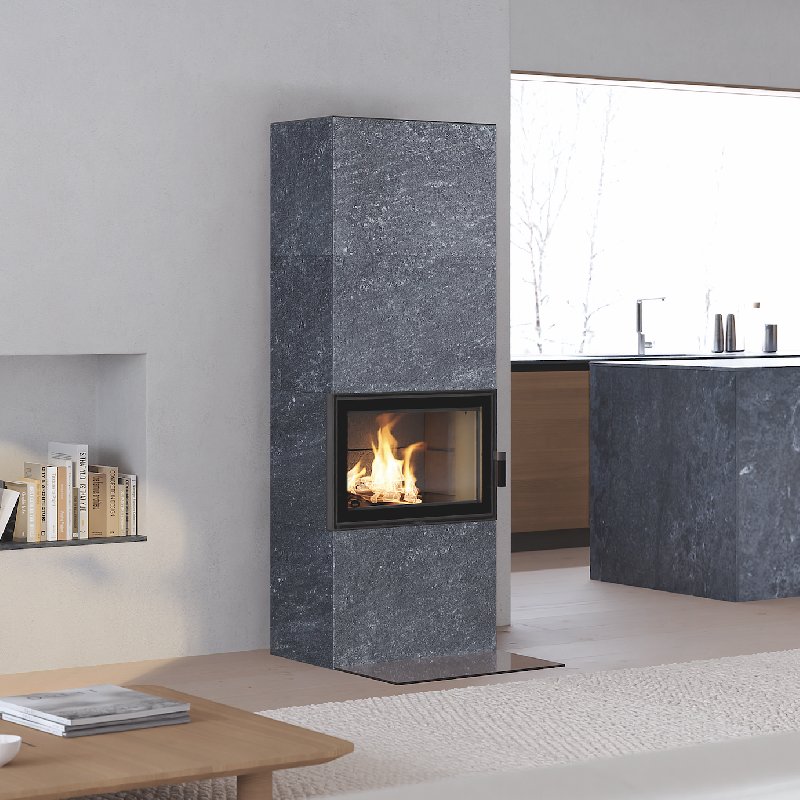
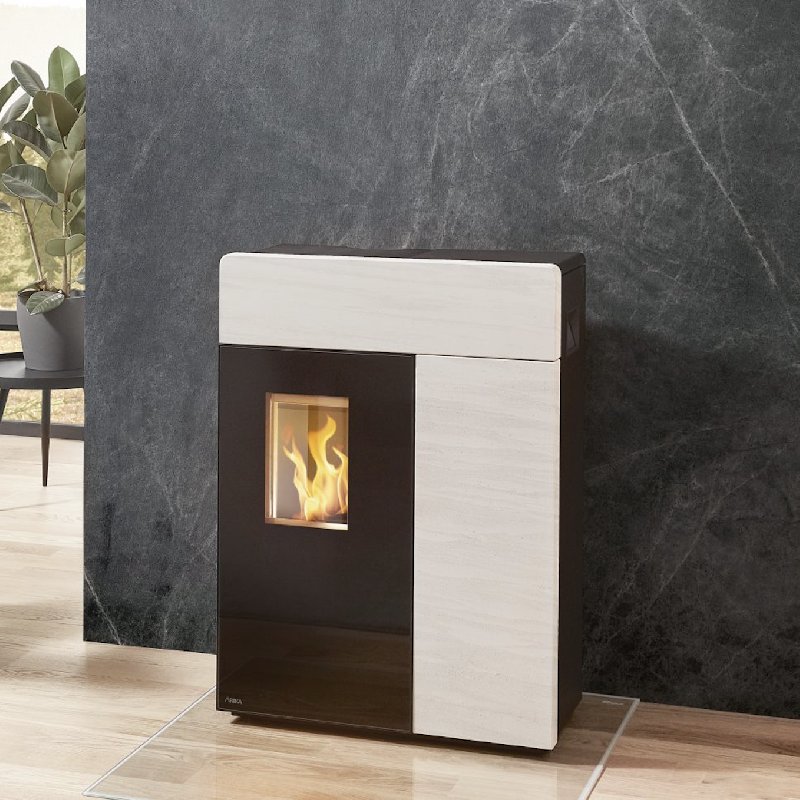
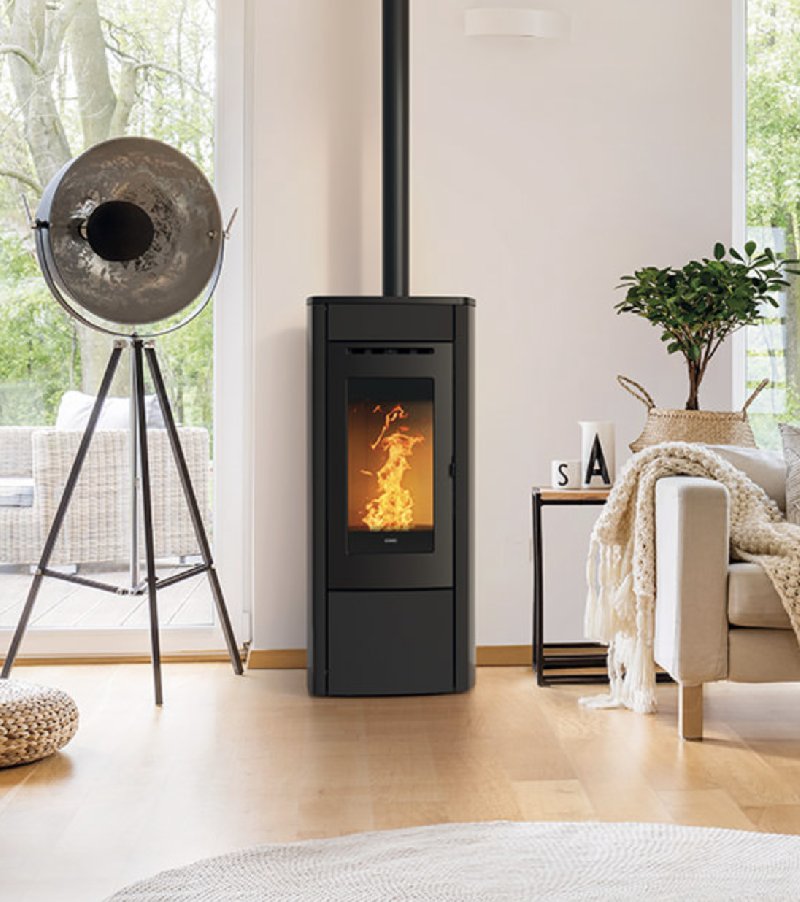
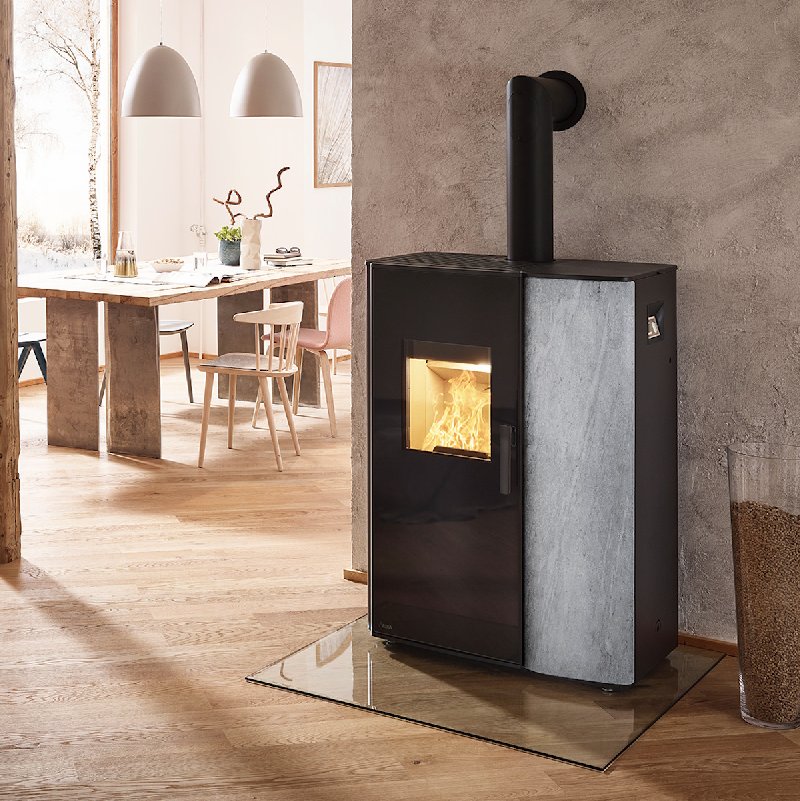
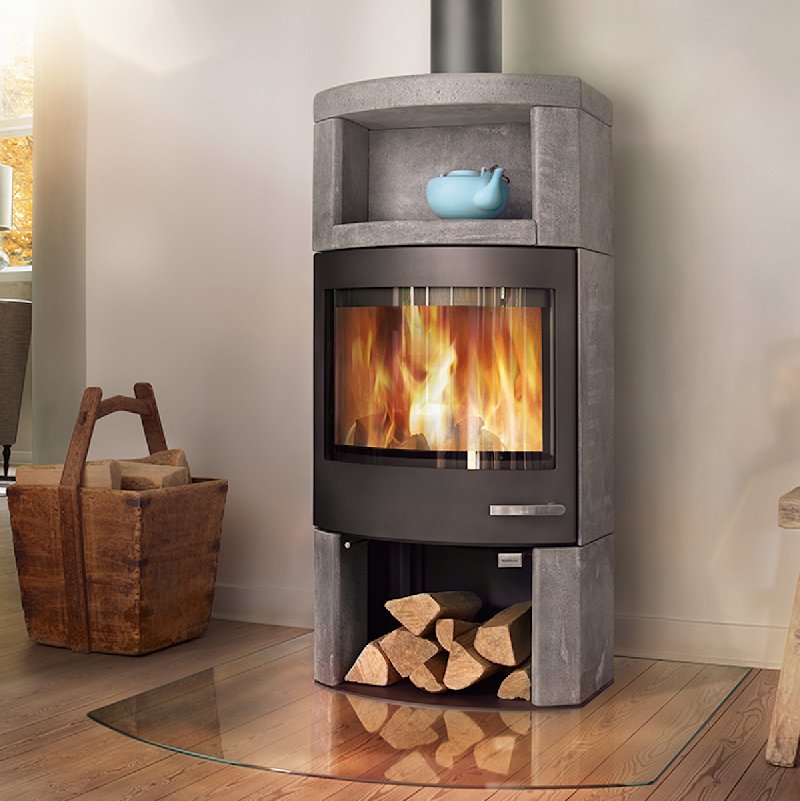
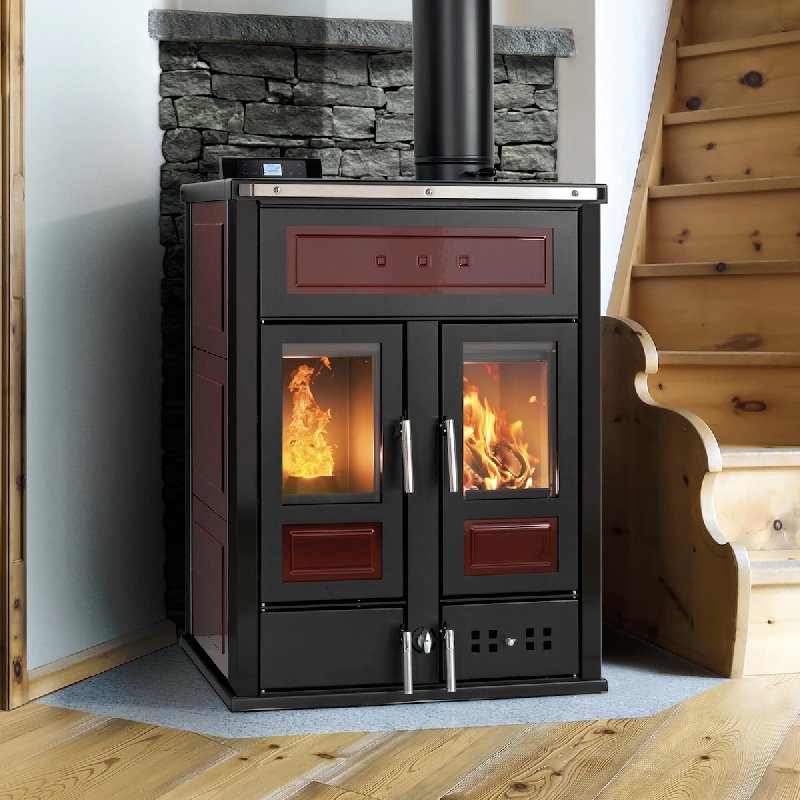

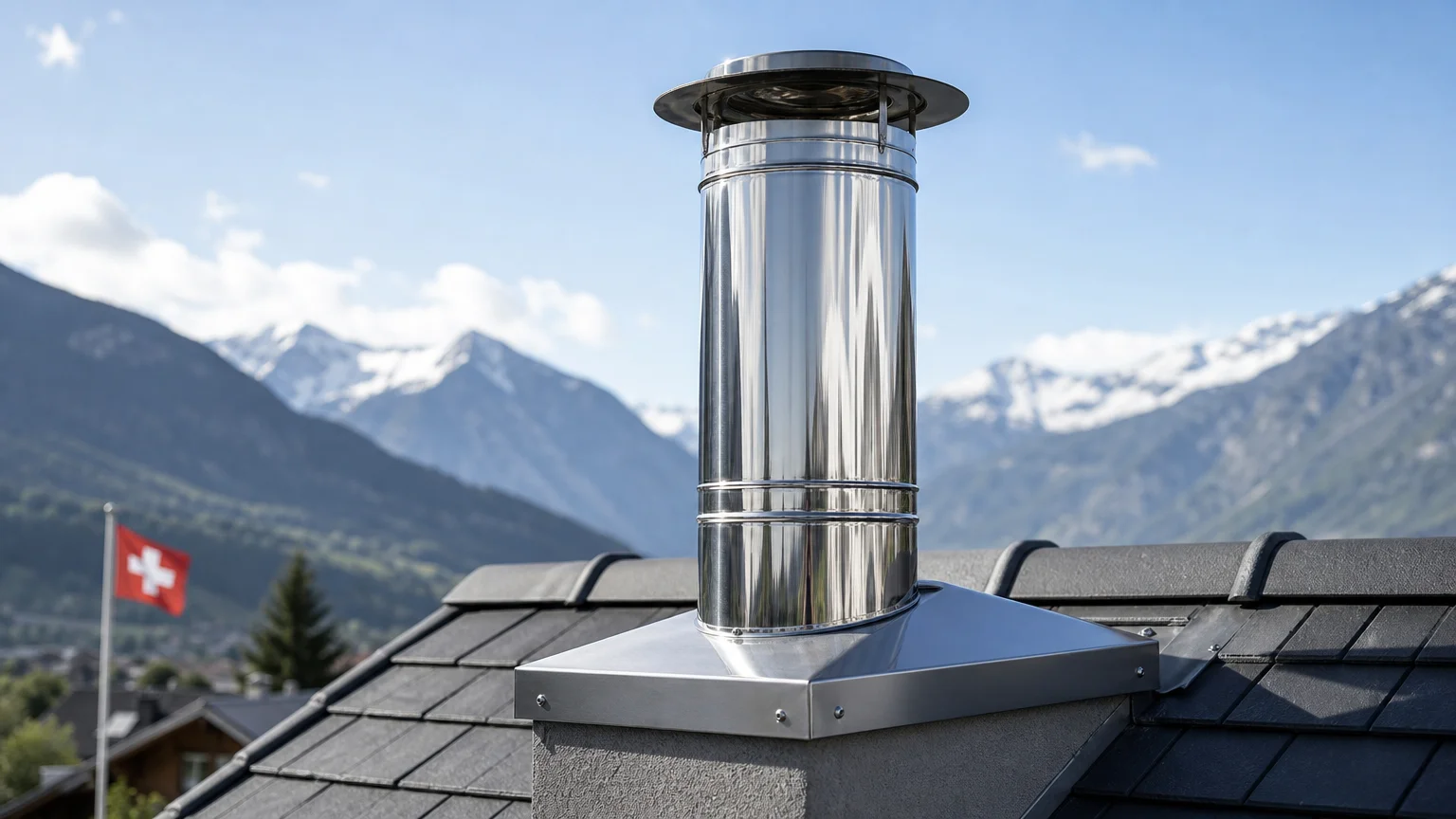
A corroded or cracked flue can allow toxic gases to escape without any visible signs. It is precisely this danger that chimney lining neutralizes by encasing the existing flue from the base all the way to the roof outlet. Even before you choose your appliance, a component like our 1-meter gray Ø150 pipe often becomes the centerpiece of a safe renovation.
In Switzerland, as elsewhere, chimney liners primarily serve a safety purpose. A faulty flue promotes leaks of carbon monoxide, an invisible and odorless gas that can be deadly. According to industry advisories, faulty exhaust of combustion gases is among the leading causes of home accidents related to wood heating.
What is a chimney liner?
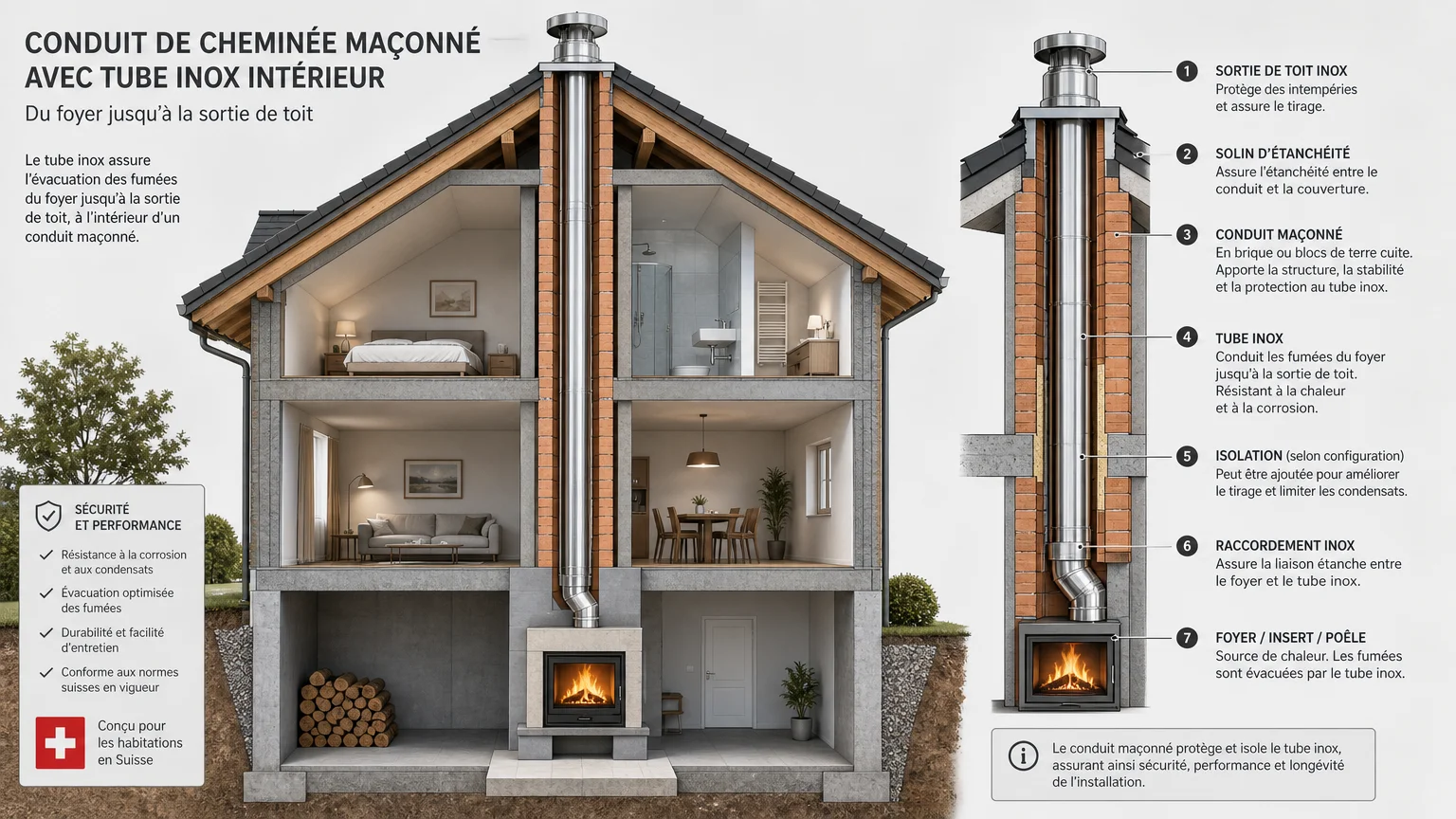
The principle is simple. A tube—usually made of stainless steel—is inserted inside the existing flue. This lining protects the masonry, improves the system’s performance, and brings it into compliance with current standards.
The tube covers the entire height of the flue, without interruption. This continuity facilitates maintenance—particularly annual chimney sweeping —and limits the buildup of tarry soot known as “bistre.” These deposits are often the cause of the most devastating chimney fires.
There are two main types. Rigid lining is suitable for straight, accessible flues, while flexible lining conforms to flues with bends or deviations. The choice depends on the actual layout of your home.
When should a flue be lined?
Renovation remains the most common reason. When a masonry flue has aged, its seal deteriorates and combustion gases can seep into living spaces. A complete liner installation then eliminates this risk of carbon monoxide poisoning.
Changing the appliance or fuel type also justifies the procedure. Switching from an old open fireplace to a wood-burning or pellet stove alters the diameter and temperature of the flue gases. A specialized guide notes that a properly sized flue liner is essential for both the safety and energy efficiency of the new system.
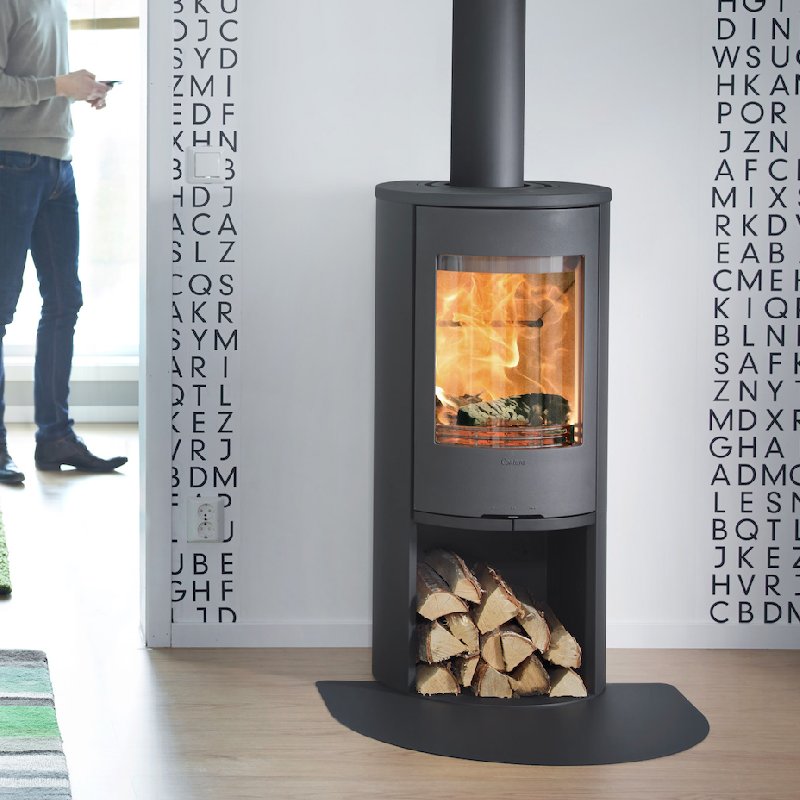
Finally, corrosion often makes lining necessary. The flue gases produced during heating are acidic and corrode the masonry. A stainless steel liner provides long-lasting protection for the flue and extends the life of your entire chimney. For a contemporary look, a 1-meter-long, Ø150 matte black liner blends seamlessly into the design of a living room stove.
Rigid, flexible, stainless steel, or PVDF: choosing the right one
The material should be chosen based on the fuel type and the type of appliance. Stainless steel is the preferred choice for wood, oil, and gas, while PVDF or PP are used with low-temperature condensing boilers. Ceramic and specialty glass round out the options for certain projects.
Diameter is a critical factor. An undersized flue restricts draft, while an oversized flue cools the flue gases and promotes condensation. A well-insulated flue retains hot flue gases, which significantly improves draft and heating efficiency.
The layout determines whether to choose rigid or flexible ducting. For a duct with elbows, a technical component such as our matte black 90-degree elbow with a Ø150 access door facilitates both routing and access for inspection. Access hatches remain essential for proper maintenance.
Standards and Safety: The Swiss Framework
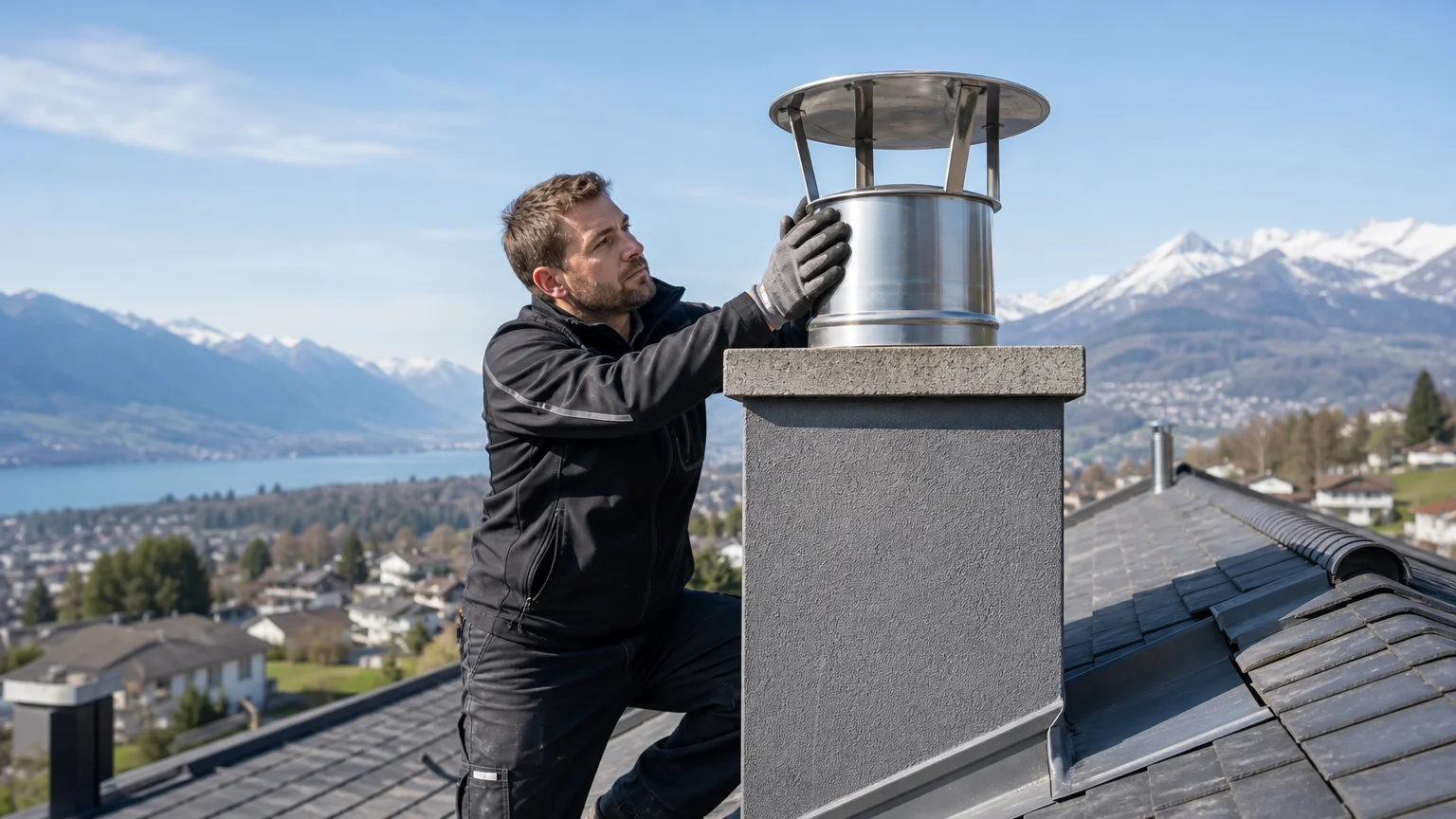
In Switzerland, flue ducts are subject to the fire safety regulations of the AEAI, the Association of Cantonal Fire Insurance Institutions. Approved stainless steel products and compliance with ECA standards ensure an installation recognized by insurance companies.
At the European level, metal flue ducts meet standards for thermal resistance and airtightness. An overview of the rules applicable in 2026 notes that standards NF EN 1856-1 and 1856-2 govern rigid and flexible flues, in addition to national regulations.
Safety clearances remain the most closely monitored aspect. According to published technical guidelines, an uninsulated masonry flue containing a liner may require a clearance of up to 16 centimeters from combustible materials. Each floor penetration requires a dedicated protective plate.
| Criteria | Online purchase only | General contractor | Carron-Lugon |
|---|---|---|---|
| Free, no-obligation on-site visit | No | Varies | Yes |
| Coordination with architects and tradespeople | No | Variable | Yes |
| Open-access showrooms (Fully and Etoy) | No | Rarely | Yes, 24/7 |
| In-house after-sales service (wood, gas, pellets) | No | Varies | Yes |
Installation, maintenance, and accessories
Proper installation begins with sweeping the existing flue. The pipe is then unrolled to its full length, without any hidden joints, connected to the appliance, and capped at the top. An access hatch, such as the one on our matte black pipe with a door and flap (Ø150, 1 m), ensures access for inspections.
Maintenance doesn’t end with commissioning. Best practices outlined by experts emphasize regular chimney sweeping and periodic inspection of joints and seals. A smoke test verifies that the exhaust system is functioning properly.
Accessories complete the installation: chimney cap, sealing plate, mounting clamps, and elbows. Each part must match the correct diameter and product line to maintain the system’s airtightness and draft.
Key Points to Remember About Chimney Liners
Installing a chimney liner isn’t just a decorative option: it’s the step that ensures your system’s safety, eliminates gas leaks, and restores your appliance’s efficiency. The right choice depends on the fuel type, diameter, layout, and Swiss fire safety standards. Before making any purchase, have a professional assess the actual configuration of your chimney flue, as a properly sized and correctly installed flue is essential for the safety and longevity of your entire heating system.
Take action with Carron-Lugon
Are you unsure about the diameter, material, or route best suited for your flue? A well-executed chimney project always begins with a precise assessment of the existing system, followed by a clean installation coordinated with other trades.
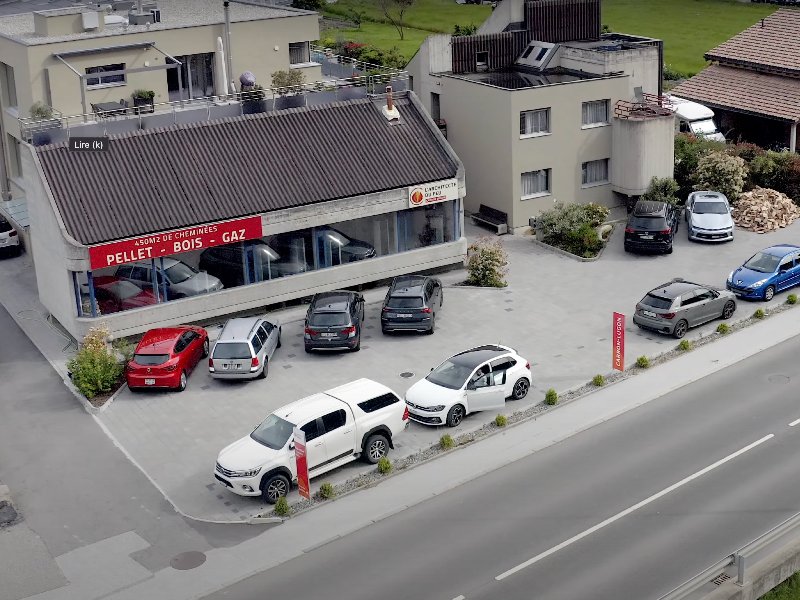
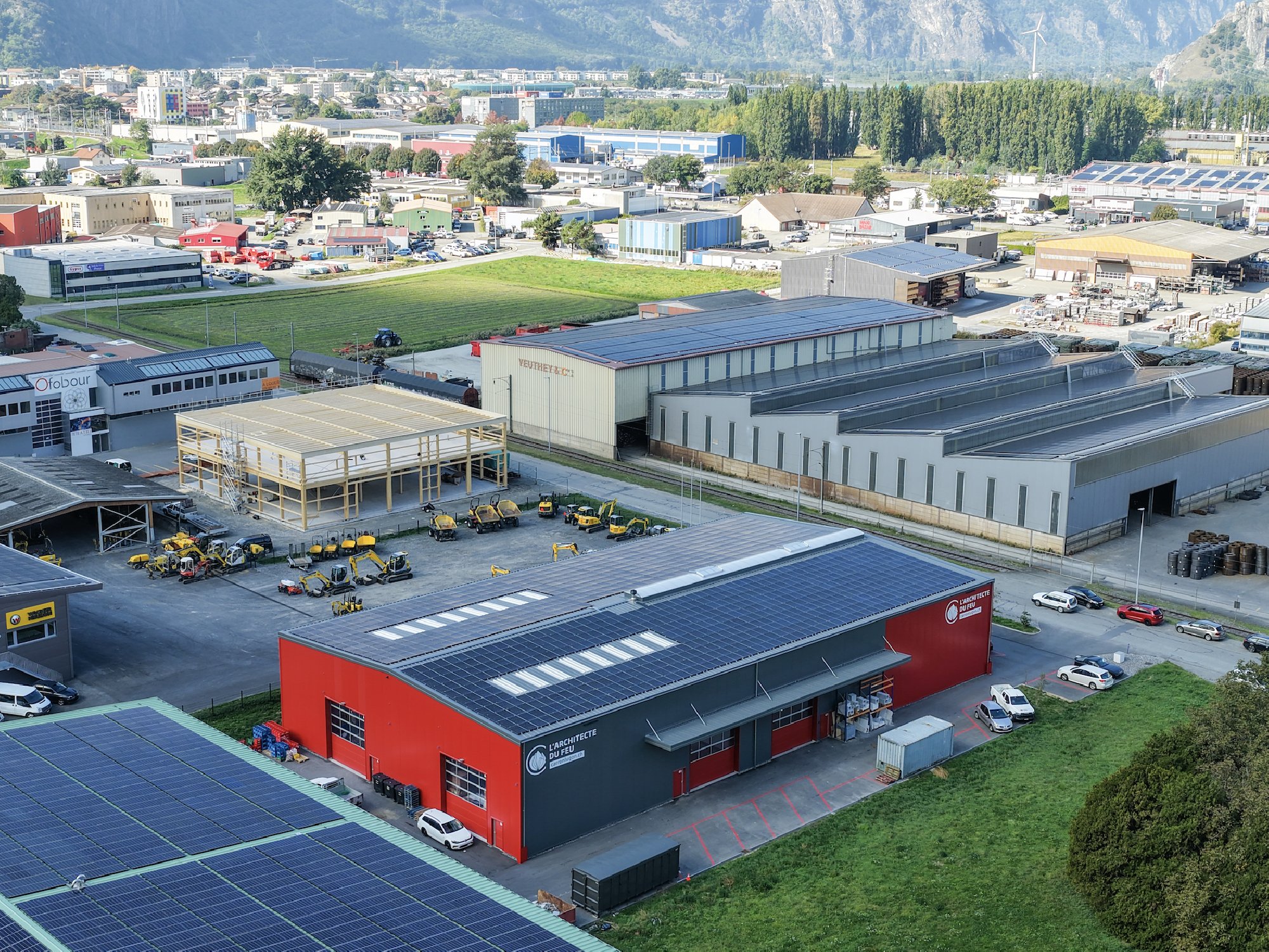
We assess your needs based on plans or during a free, no-obligation on-site visit, then we manage the project from start to finish, with in-house after-sales service for your wood, gas, or pellet-burning appliances. Discover our fireplaces, flue pipes, and accessories for your project, and visit our showrooms in Fully and Etoy—open to the public.
Frequently Asked Questions
Is a flue liner required for renovations?
Whenever an existing masonry flue is reused for a new appliance, lining is usually required to ensure airtightness and compliance. It prevents combustion gas leaks and extends the flue’s lifespan. A professional will assess the need based on the actual condition of the installation.
Should you choose rigid or flexible lining?
Rigid liner is suitable for straight, accessible flues, while flexible liner conforms to routes with bends or deviations. The choice depends on the flue’s geometry and the type of appliance being connected. An on-site inspection ensures the decision is made without risk of error.
What material is best for a wood stove?
Stainless steel remains the standard choice for wood, oil, and gas, thanks to its resistance to corrosion and high temperatures. PVDF or PP are better suited for condensing boilers. Our team will guide you toward the line best suited for your fuel type.
How often should a lined flue be maintained?
Annual chimney sweeping is mandatory, supplemented by regular inspections of the joints and for leaks. A periodic smoke test verifies that the flue is functioning properly. This maintenance limits soot buildup and prevents chimney fires.
Does lining really improve efficiency?
Yes, a well-insulated flue retains hot flue gases, preventing them from cooling during exhaust. This promotes better draft and more efficient combustion. As a result, you benefit from improved safety and heating performance.