


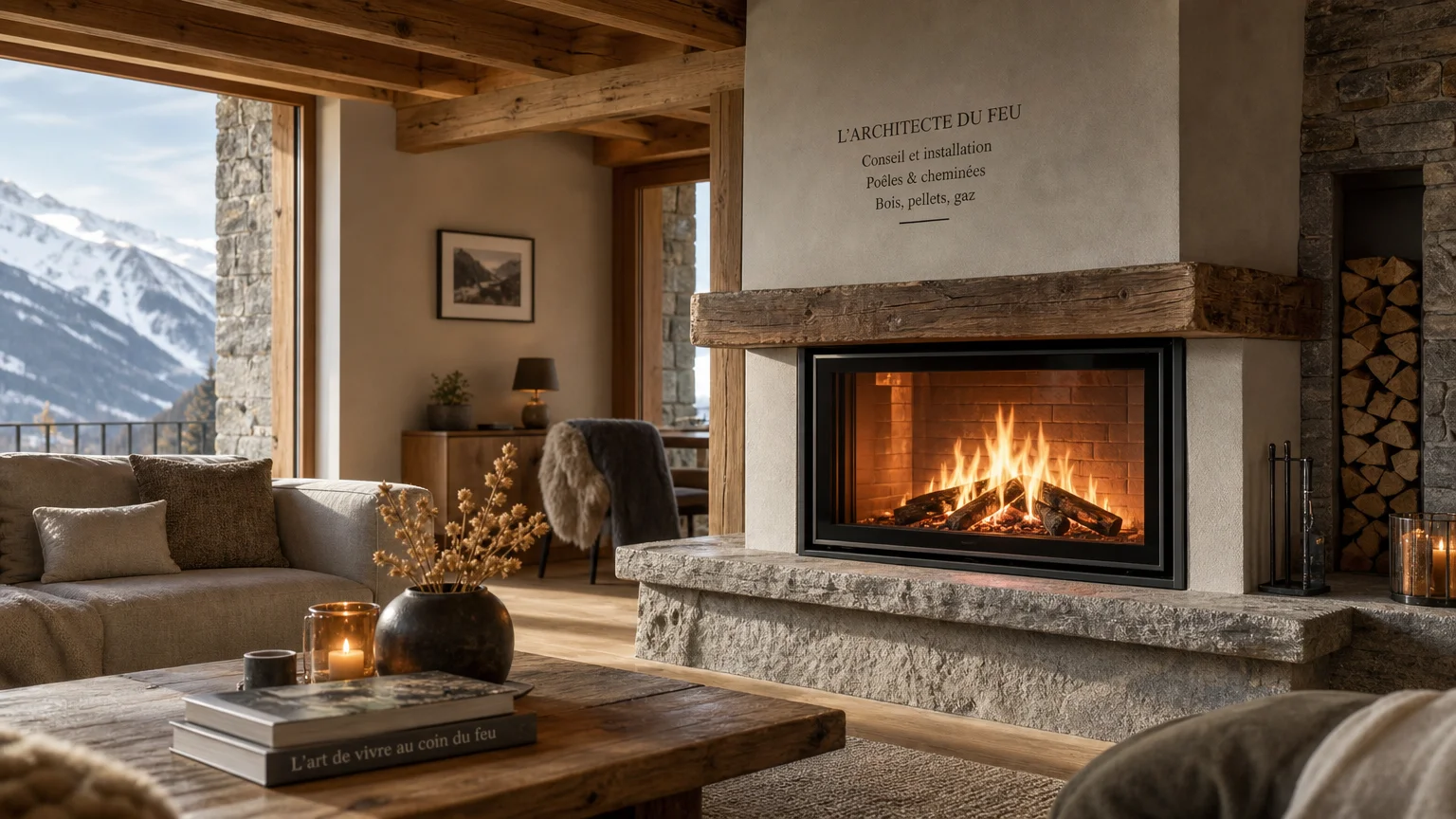
An open fireplace recovers only a fraction of the wood’s energy: most of the heat escapes through the flue. Given this waste, renovating a fireplace is a no-brainer for anyone seeking comfortable and energy-efficient heating. Even before undertaking major work, a simple step like replacing the fireplace seal as part of a sustainable renovation can restore your fireplace’s airtightness and limit heat loss.
The facts are clear. According to energie-environnement.ch, a traditional fireplace uses, at best, only 5% of the wood’s energy, with the rest going up in smoke. Modernizing your fireplace therefore serves three simple goals: heating more efficiently, spending less, and making your system safer. However, you still need to choose the right technical solution and comply with current regulations.
Why undertake a chimney renovation?
A chimney renovation is rarely driven by a single reason. Energy efficiency tops the list: a closed fireplace recovers heat instead of letting it escape. Next comes safety, as an aging or clogged flue increases the risk of fire and smoke backdrafts.
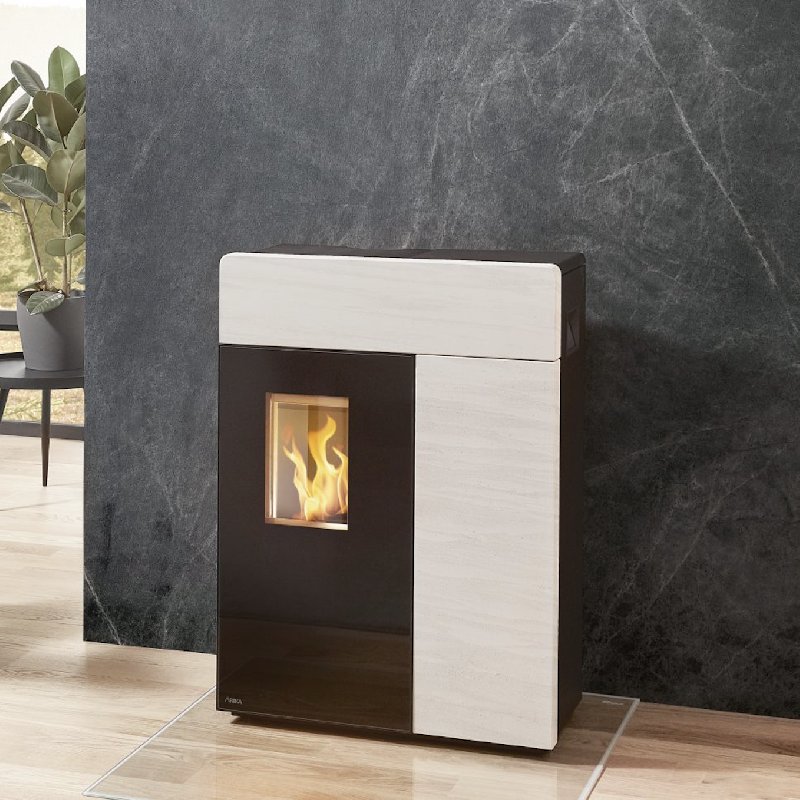
Health considerations are also a major factor. According to ADEME, a modern pellet stove emits, on average, 260 times fewer fine particles than an open fireplace and uses nine times less wood. Finally, a well-executed fireplace upgrade refreshes the room’s aesthetic and adds value to your property should you decide to sell.
Open Fireplace, Fireplace Insert, or Stove: What Are the Options?
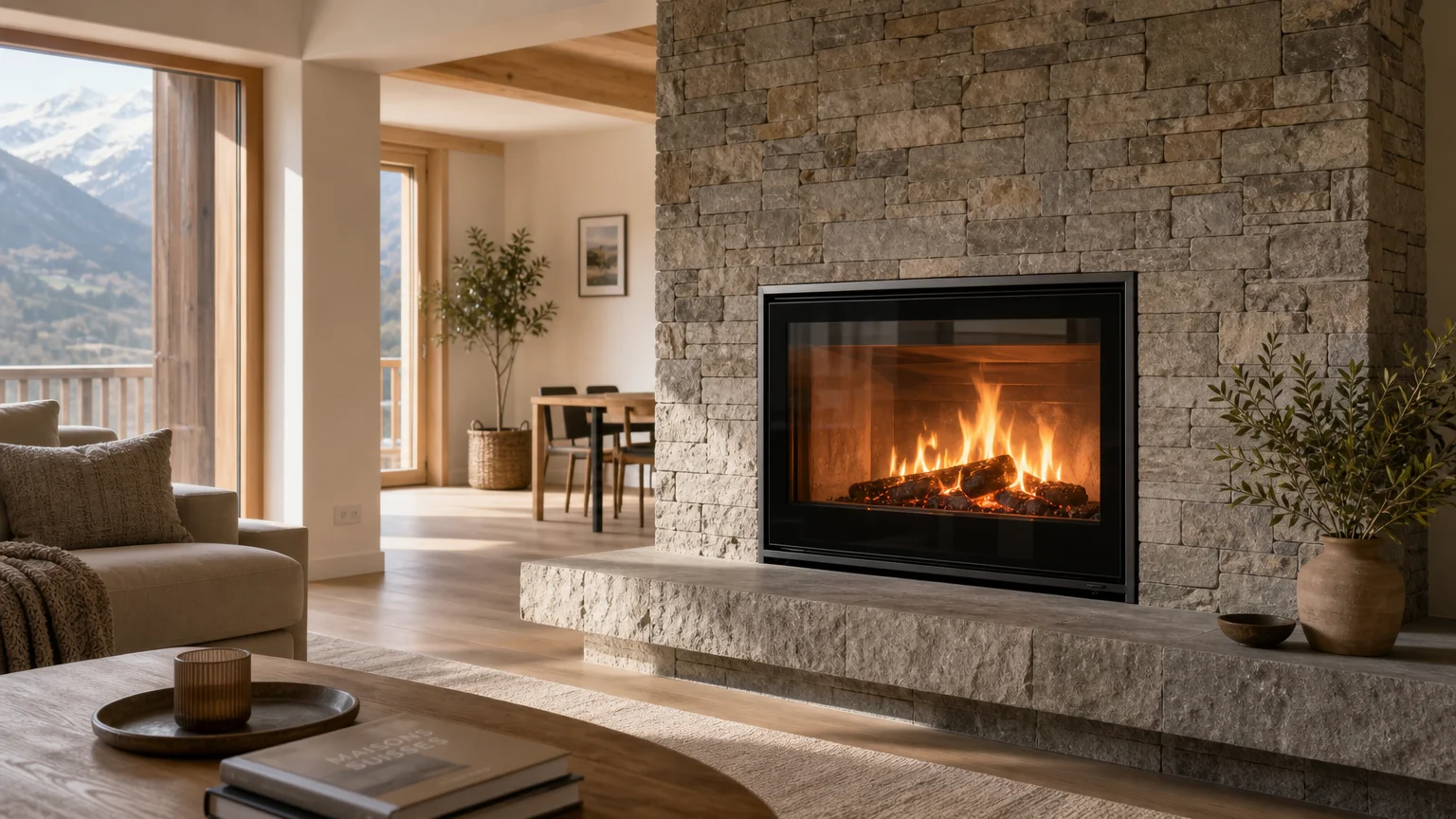
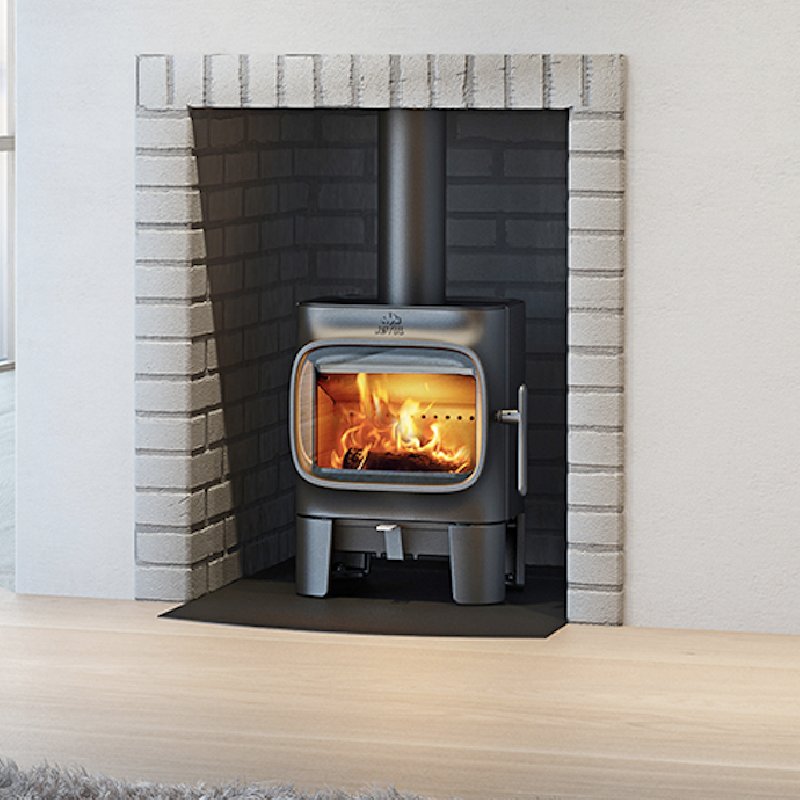
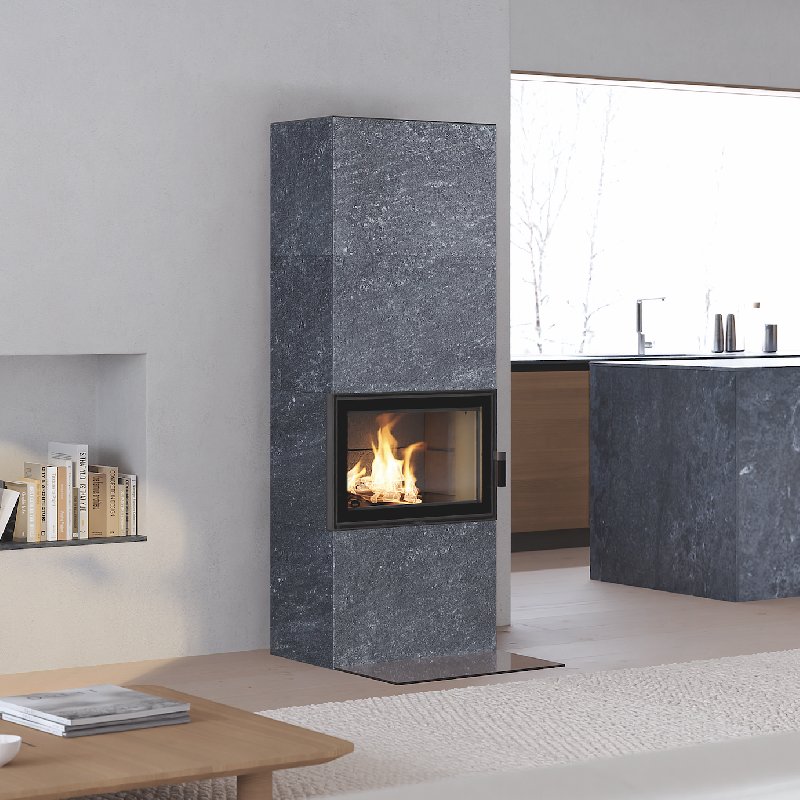
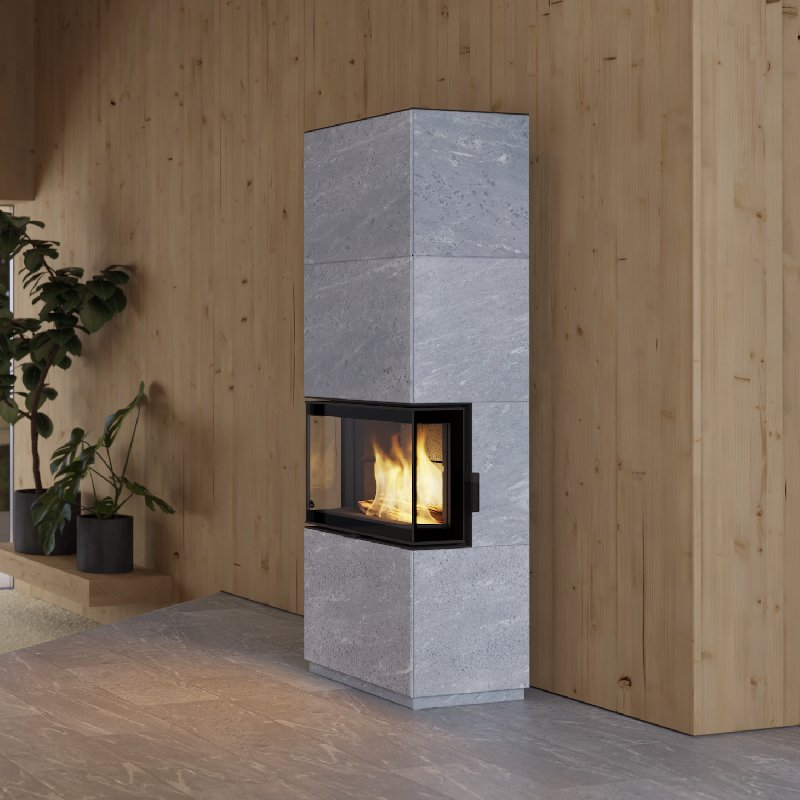
Three main options form the basis of most projects. The most common involves installing a fireplace insert, also known as a cassette, into the existing fireplace. Ambient air is drawn in, heated as it comes into contact with cast iron or steel, and then redistributed throughout the room.
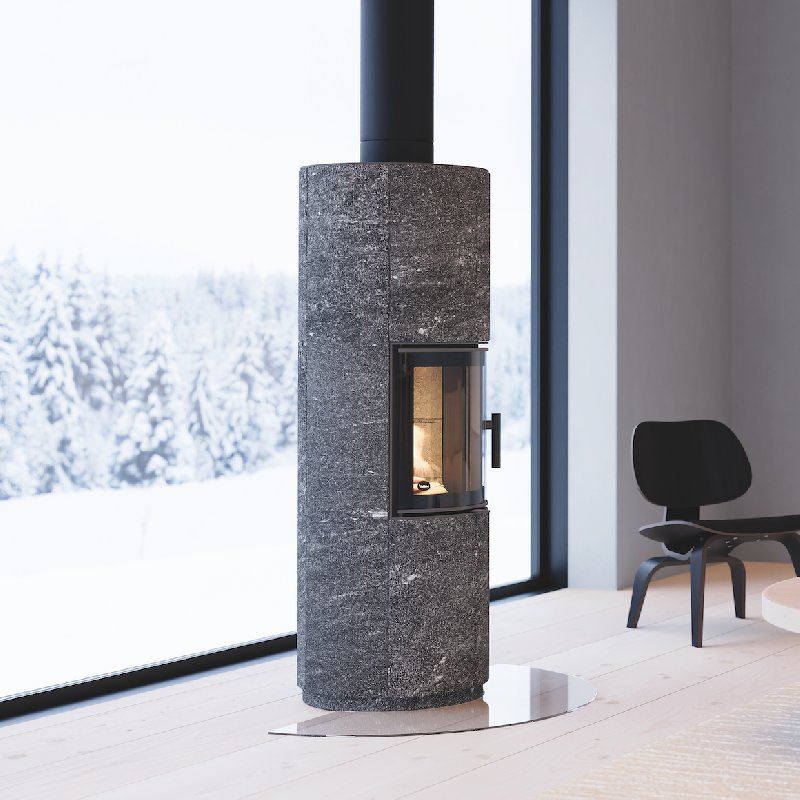
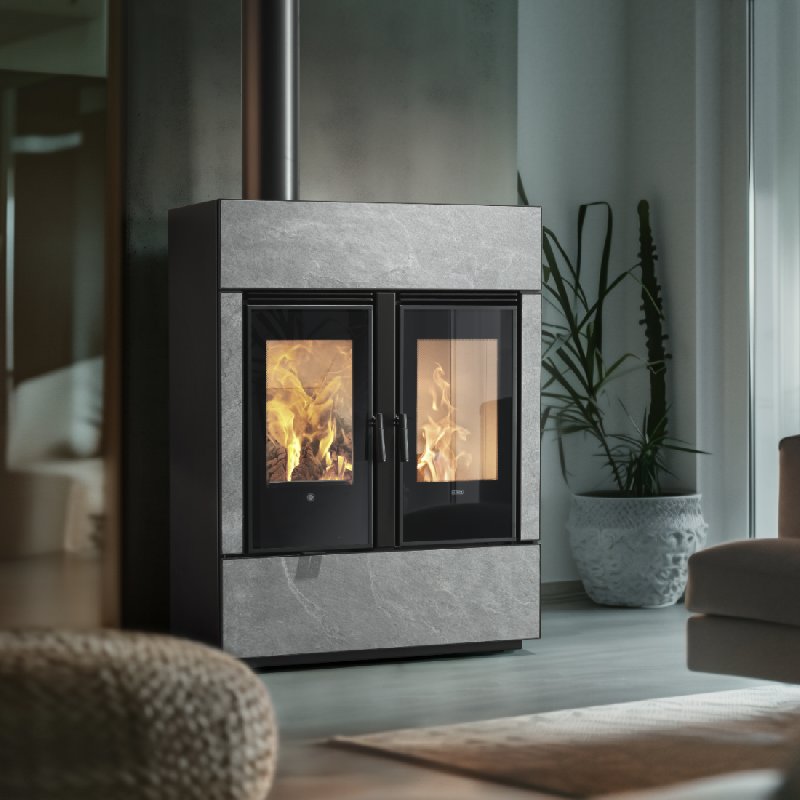
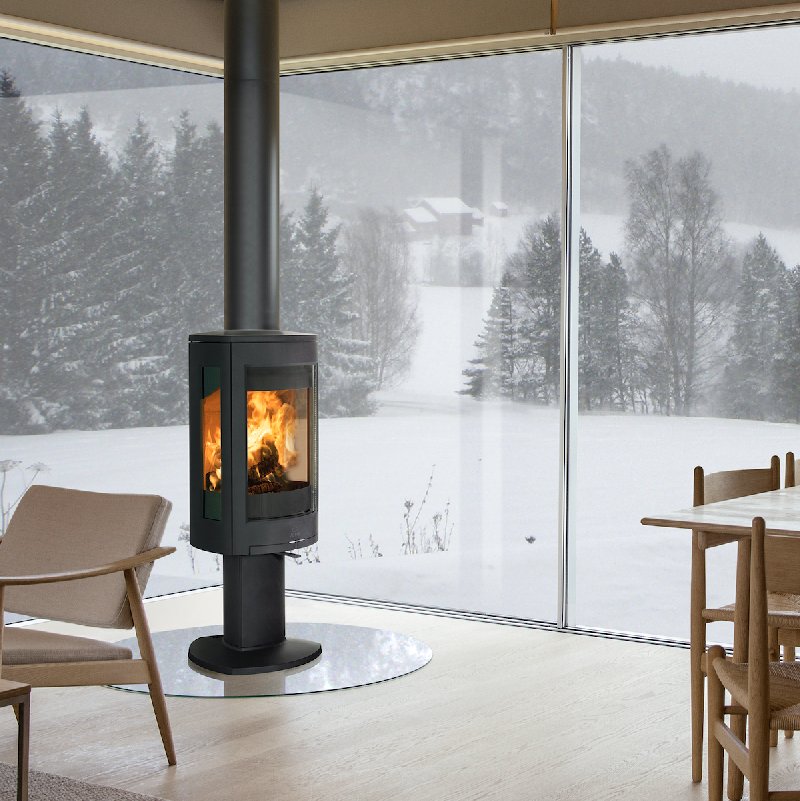
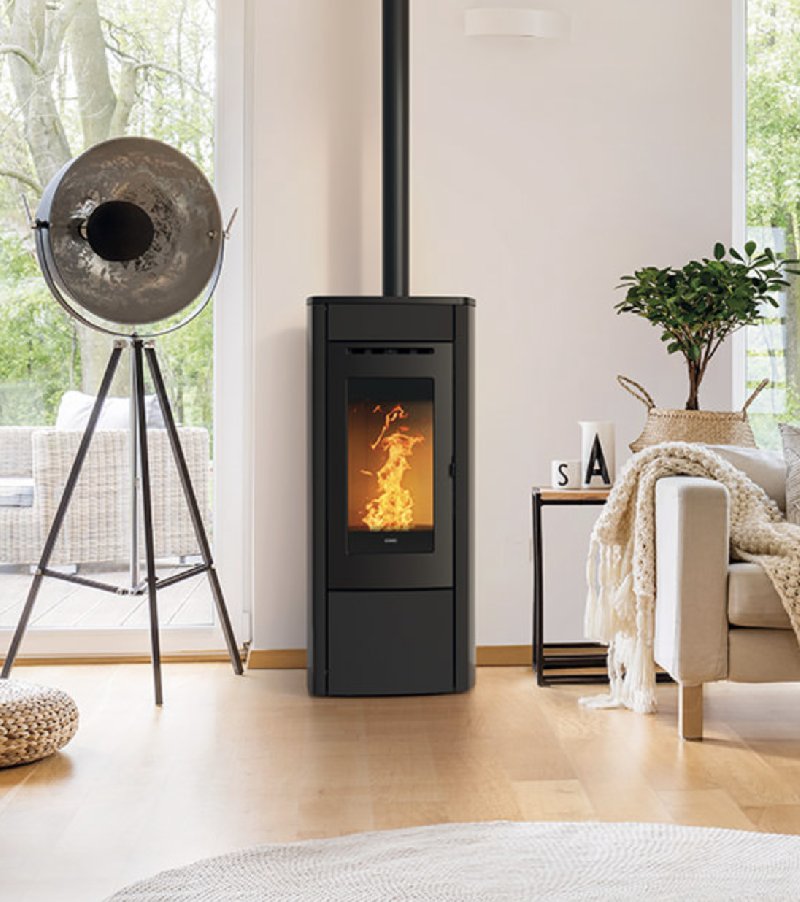
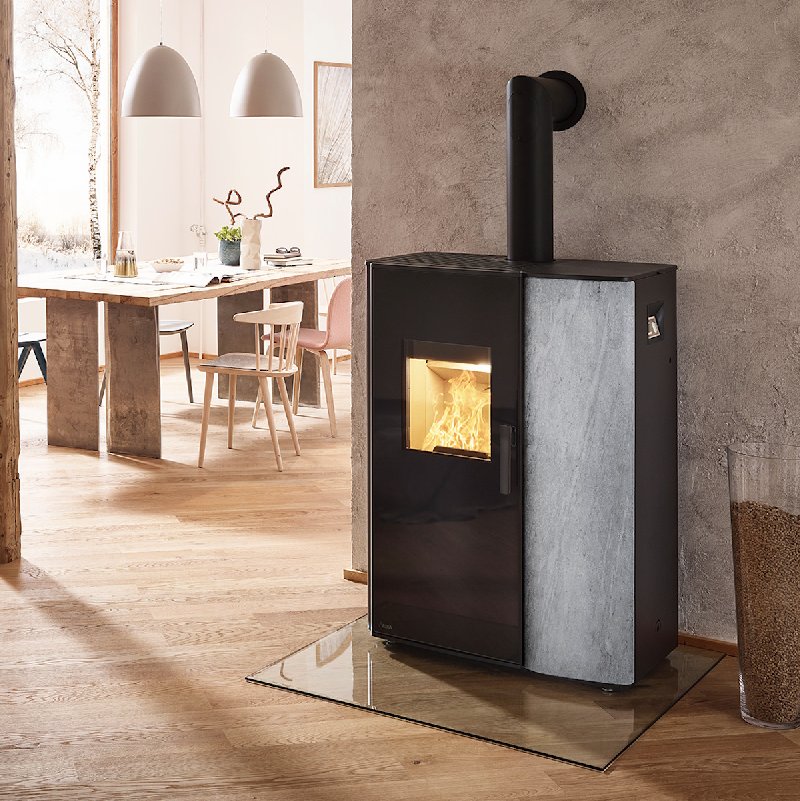
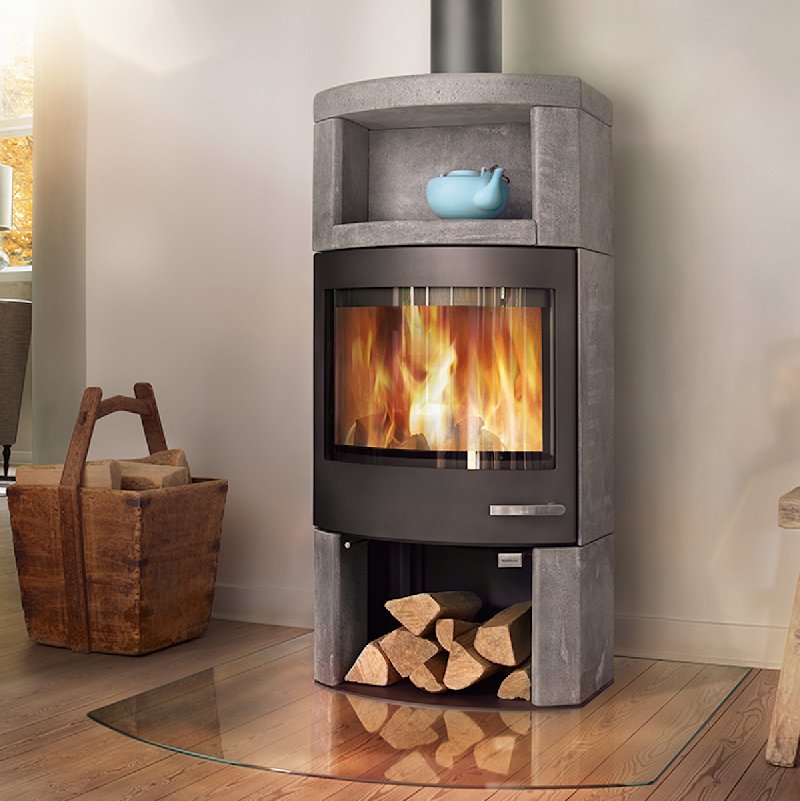
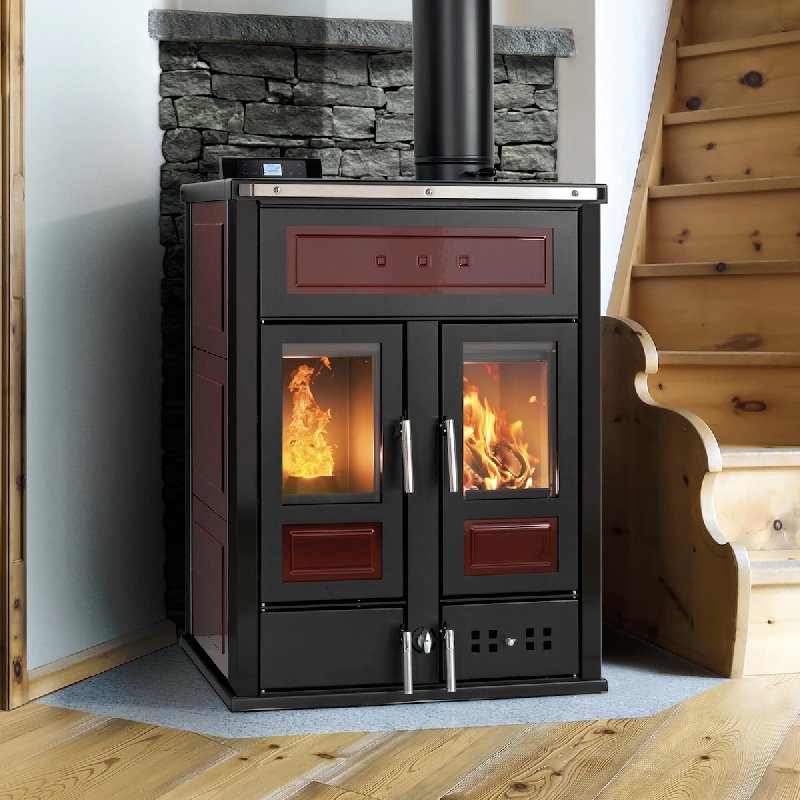
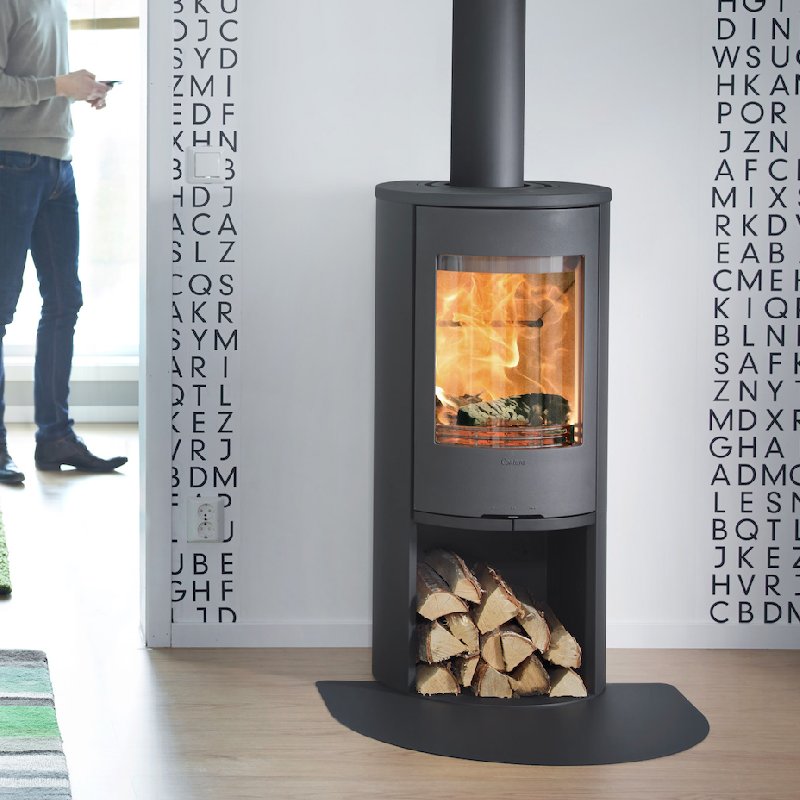
A glass-fronted fireplace is a lighter alternative: a steel frame fitted with heat-resistant glass doors encloses the firebox and regulates combustion. Finally, completely replacing the fireplace with a wood-burning or pellet stove offers the best efficiency. energie-environnement.ch estimates that an insert with a blower has an efficiency of around 50 to 60 percent, compared to 60 to 80 percent for a modern stove connected to the same flue.
The choice depends on the condition of the flue, your heating habits, and your budget. A preliminary assessment helps avoid unpleasant surprises and guides you toward the most appropriate fireplace conversion.
The Steps in a Renovation Project
A successful project follows a specific process. Here are the typical main phases:
- Needs assessment: review of blueprints or on-site visit to evaluate the flue and fireplace surround.
- Dismantling the existing installation and removing debris.
- Cleaning the flue (lining) to ensure proper smoke exhaust.
- Installation of the appliance—whether a fireplace insert, mantel, or stove—including all connections.
- Finishing work: cladding, tiling, stucco, or polished concrete.
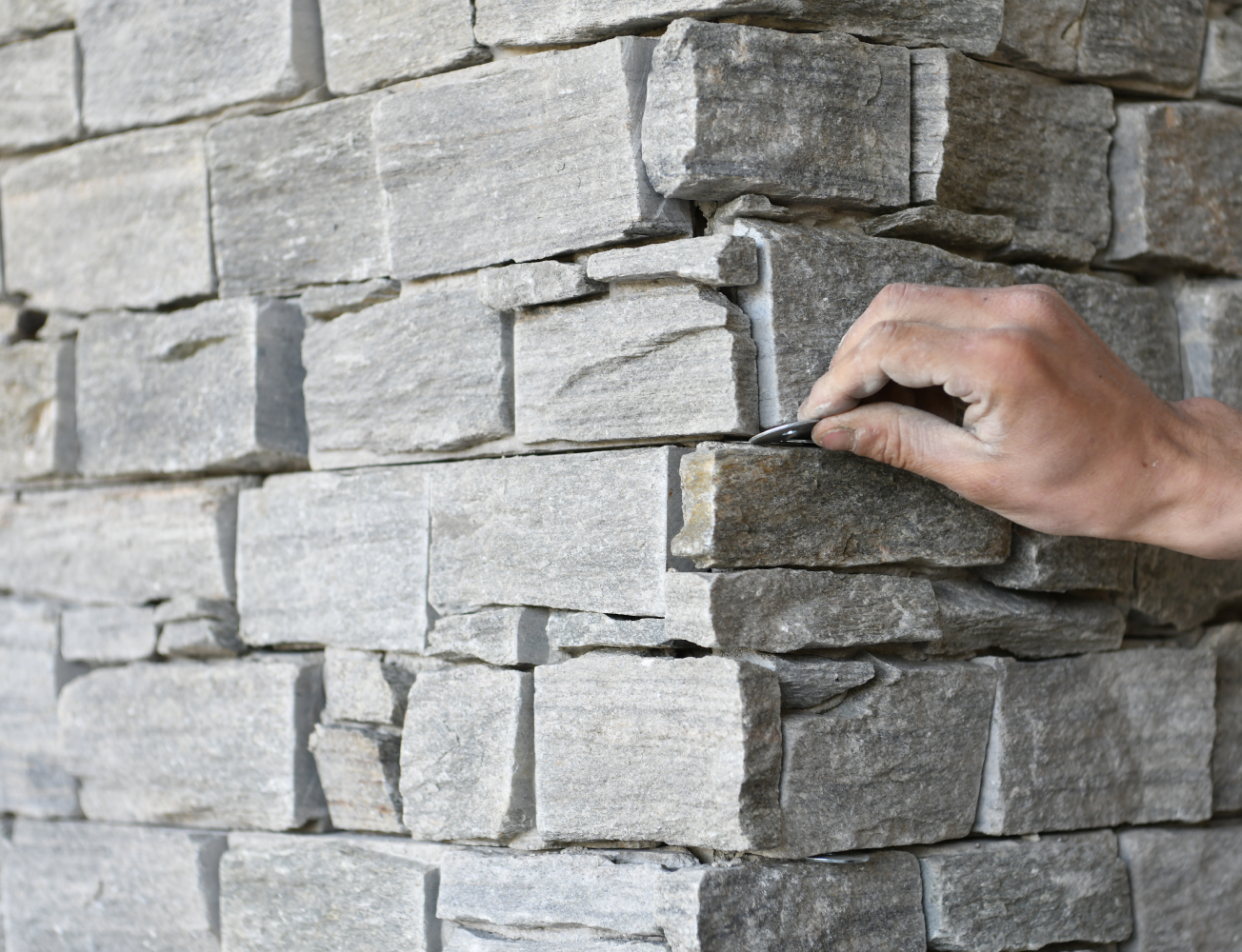
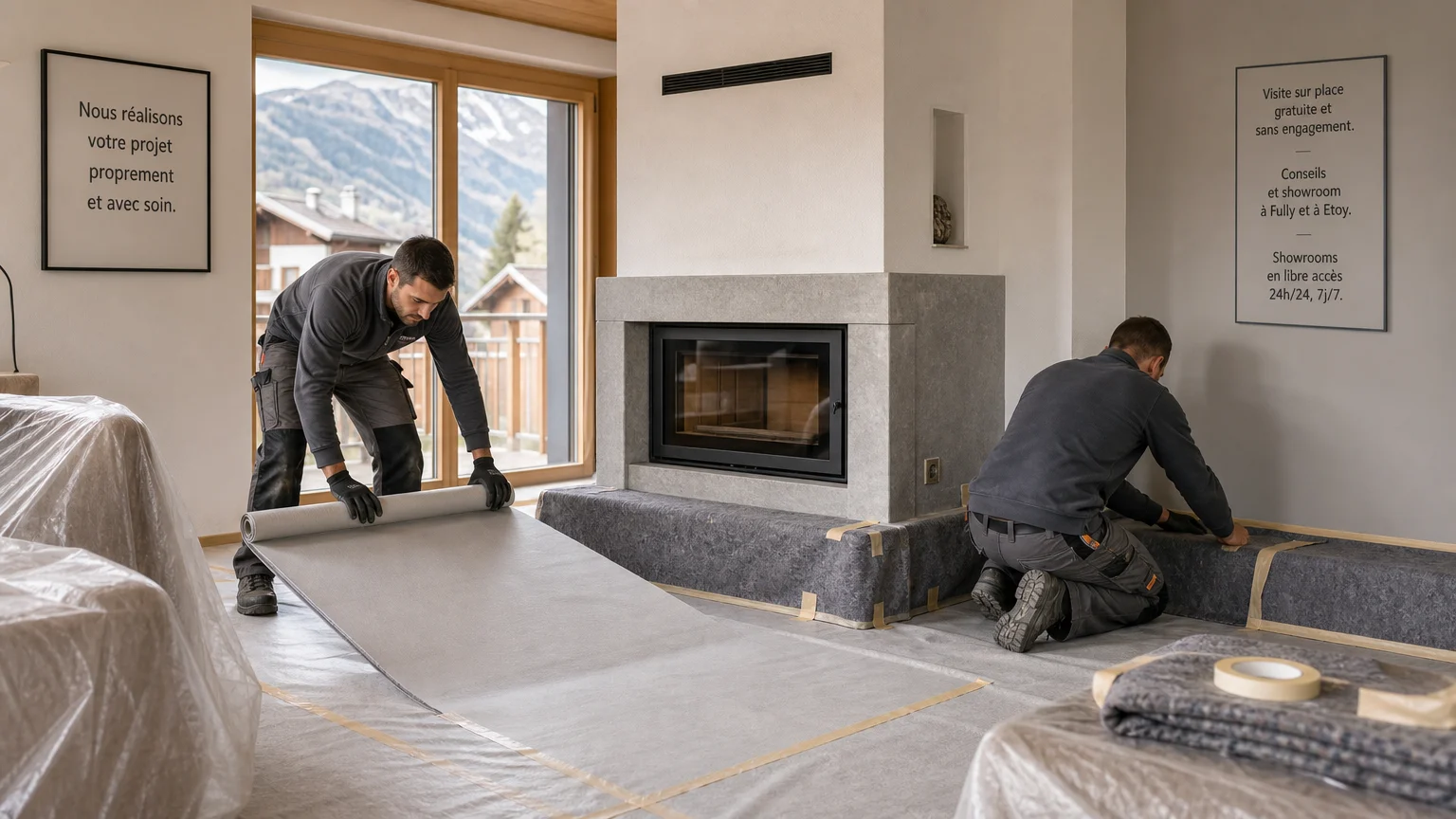
A clean worksite makes all the difference. We take care to protect stone and brick during restoration—a detail that minimizes marks and facilitates the finishing touches. Seamless coordination with architects and other trades also helps avoid downtime.
How much does it cost to modernize a fireplace?
The budget depends on many factors: the initial condition, the chosen solution, materials, and the complexity of the flue. A simple installation of an insert or a glass-fronted fireplace can often be completed in a day and is more cost-effective than a new construction. A complete renovation, involving new cladding and integration with the heating system, represents a more substantial investment.
The savings often justify the expense. According to Natura Sciences, a traditional open fireplace has a maximum efficiency of 10 to 15 percent, while modern fireplaces range from 40 to 85 percent depending on their generation. Using less wood means recurring savings that gradually offset the cost of the fireplace renovation. Always ask for a detailed estimate before committing.
| Solution | Estimated Efficiency | Project |
|---|---|---|
| Open fireplace (before renovation) | 10 to 15% | Existing |
| Insert / glass-fronted fireplace | 50 to 60% | About 1 day |
| Wood-burning or pellet stove | 60–80% | Several days |
| Carron-Lugon Support | A solution tailored to your home | Free consultation, clean work site, in-house customer service |
Safety, Compliance, and Regulations
Safety is non-negotiable. An open fireplace allows sparks to spread freely and causes creosote to build up in the flue—both of which are fire hazards. Containing the fire behind glass and cleaning the flue significantly reduce these risks.
The environmental aspect is also important. The Haute Vallée de Chevreuse Nature Park notes that a modern fireplace reduces particulate emissions by a factor of eight while producing the same amount of heat. In Switzerland, any modification to a combustion system may require a permit or declaration: check with your local municipality before beginning. A professional who is knowledgeable about code compliance and fl ue lining will ensure the entire process is handled safely.
Maintenance and Longevity After Renovation
A renovated fireplace lasts longer if it’s maintained regularly. Periodic chimney sweeping, inspecting the seals, and cleaning the glass extend the appliance’s lifespan. Choose glass panels or doors that are easy to remove to simplify these tasks.
Aesthetically speaking, a dirty glass pane can quickly ruin the look of a beautiful installation. Using a product specifically designed to clean fireplace glass as part of a cosmetic renovation restores clarity without scratching the glass. Regular maintenance preserves your fireplace’s efficiency, safety, and appearance over the long term.
Modernize Your Fireplace in Switzerland with Complete Peace of Mind
Fireplace renovation offers three concrete benefits: improved efficiency, enhanced safety, and an upgraded aesthetic. The starting point is always an honest assessment of your existing system, followed by the selection of a solution tailored to your flue and your lifestyle. Whether it’s a simple fireplace insert or a complete replacement with a stove, success depends on the quality of the installation and compliance with local regulations. Take the time to compare your options and consult with experienced professionals before moving forward.
Take the Plunge with Carron-Lugon
Still undecided between an insert, a glass-fronted fireplace, or a stove to breathe new life into your fireplace? Every fireplace is different, and personalized advice can help you avoid many costly mistakes. Our teams support homeowners in Valais, Vaud, and Geneva every step of the way, from the initial consultation to the final touches.
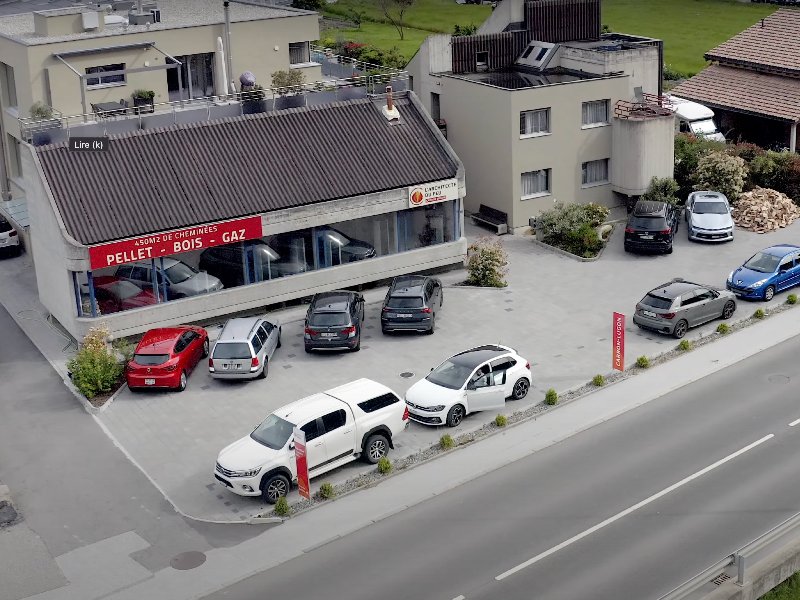
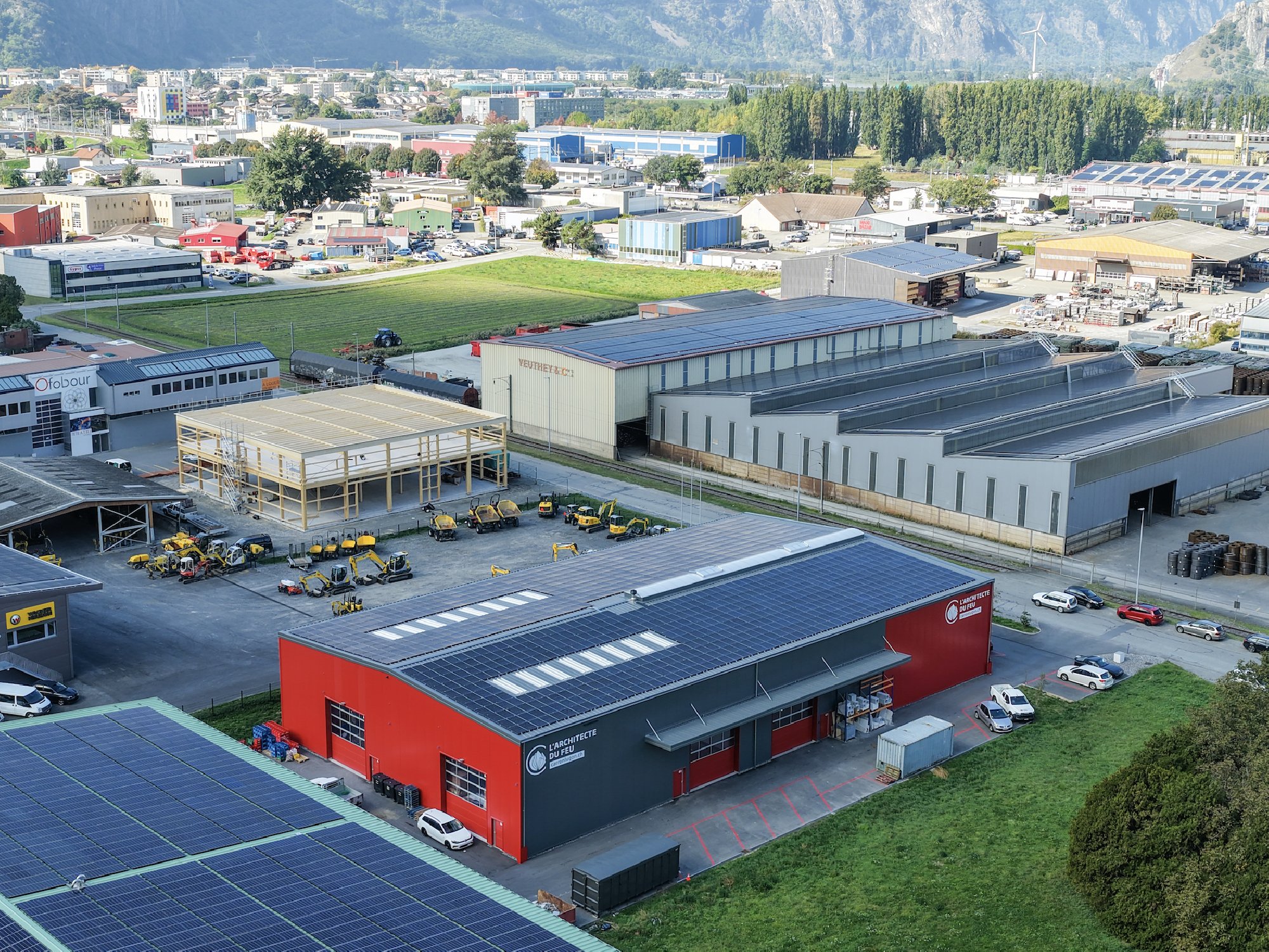
We assess your needs based on blueprints or during a free, no-obligation in-home visit, then organize a clean and coordinated installation project in collaboration with other trades. Our showrooms in Fully and Etoy let you explore our products, and our in-house after-sales service is available for your wood, pellet, or gas installations.
Frequently Asked Questions
Can a fireplace be renovated without tearing everything out?
Yes, in most cases. Installing an insert or a glass-fronted fireplace is done within the existing hearth, often in a single day. Complete demolition is only necessary if the structure or flue is too damaged.
How long does a renovation project take?
Installing an insert or a glass-fronted fireplace typically takes one day. A complete renovation involving new cladding and a new flue lining takes several days. A preliminary assessment allows us to estimate the duration accurately.
Is a permit required in Switzerland?
Any modification to a combustion system may require a permit or notification. Regulations vary by canton and municipality. Check with your local authority before beginning the work.
What efficiency gains can you expect?
An open fireplace often has a maximum efficiency of around 10 to 15%. A modern fireplace insert or stove frequently achieves 60 to 80% efficiency. You’ll therefore use significantly less wood while enjoying greater comfort.
Who should you contact for a turnkey project?
A heating specialist manages the entire project, from consultation to installation. We offer a free in-home visit, full project coordination, and in-house after-sales service for wood, pellet, or gas appliances. This way, you’ll have a single point of contact.